
Melo – Literary Village
About the Project
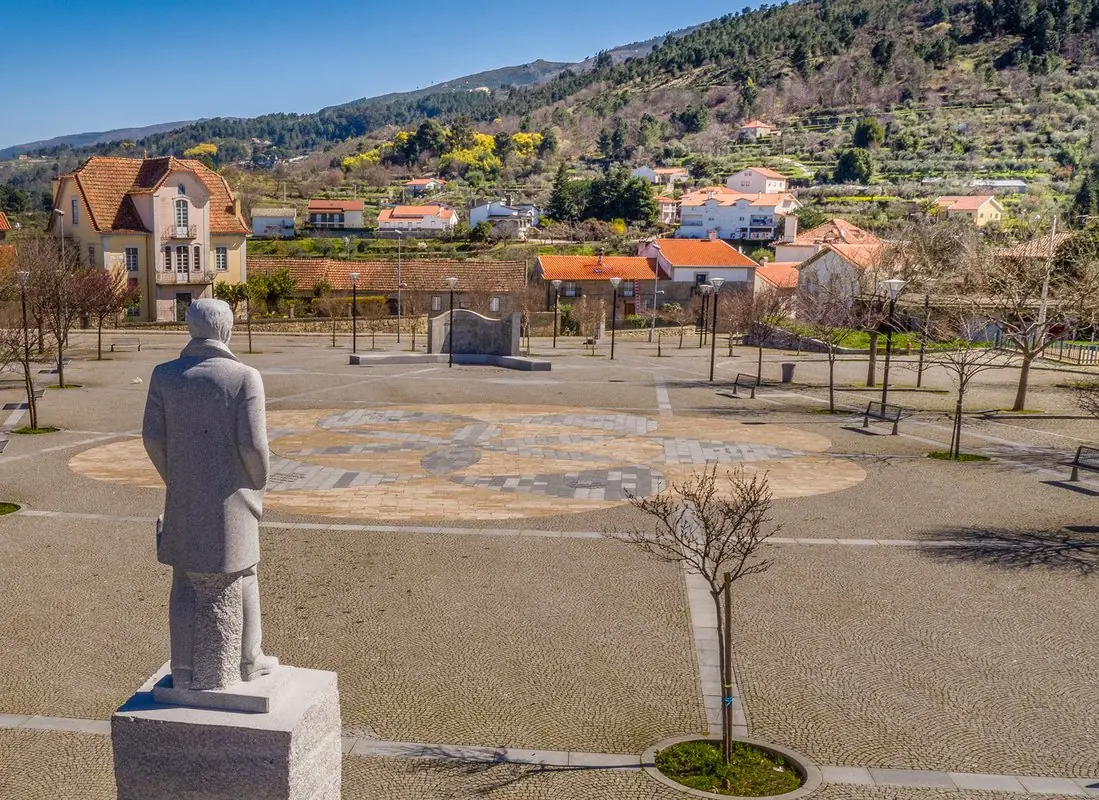
The "Melo - Aldeia Literária" project is a cultural and tourism development initiative built on the literary heritage of Vergílio Ferreira, creating an integrated product that links the Literary Route — urban and rural — with the Casa Para Sempre – Vergílio Ferreira, cultural activities, artistic residencies and digital interpretation tools. The initiative seeks to strengthen local identity, stimulate the local economy and offer visitors authentic experiences of the literature, landscape and memory of Melo, contributing to a sustainable and participatory development model.
Ruris was responsible for designing, structuring and implementing this project, delivered in four distinct phases:
- Development of the Melo-Aldeia Literária tourism development plan, through focus groups and online surveys of tourism operators in Gouveia, travel agencies in Gouveia and tourism operators in the village of Melo. These focus groups involved around 11 local operators, who contributed to the development of literary tourism based in the village of Melo and extending across the municipality of Gouveia;
- Organisation of capacity-building sessions covering literary tourism through national and international case studies in eco-literary tourism; guides were also trained and ways of building a network of informal guides were explored. Sustainability tools for tourism businesses were also presented. The training sessions were attended by 37 participants;
- Organisation of study visits focused on literary tourism, in order to demonstrate the full potential and the practicalities of running visits centred on books, literary themes or authors. A study visit was made to Figueira de Castelo Rodrigo, attended by 7 participants;
- Preparation of the risk mitigation and safety plan for the village of Melo, an essential strategic tool for ensuring the sustainability, safety and resilience of this cultural tourism project, anchored in the Beiras and Serra da Estrela region. By covering different dimensions of risk — environmental, operational, reputational, social and technological — and by actively involving local stakeholders in its design and implementation, the plan promotes collaborative, cross-cutting management, with direct impacts on the quality of the visitor experience, on community trust and on the value placed on local heritage.