

The future of young people in tourism
The tourism sector is in a period of transformation marked by the emergence of new trends and by changing visitor preferences. Digitisation, growing concern with sustainability, the importance of wellbeing and the search for authentic and unique experiences have been transforming the way the sector works.
In this context, young people play a crucial role. It is this segment of the population that, to a considerable extent, shapes trends in tourism demand and the preferences visitors expect to see met. More than that, they have the ability to observe those trends and to develop strategies that meet the market's needs. Young people, increasingly aware of the impact of their choices, are beginning to value authentic experiences that prioritise environmental and social sustainability.
These changes also reflect the importance young people may have in the future of the tourism labour market. In an increasingly technological society, where digital tools and other technologies have transformed the tourist experience and created professional opportunities in areas such as digital marketing and experience design, the skills needed to respond to the challenges of this constantly changing sector are essential — as are adaptability, digital knowledge and innovation.
This need takes on particular relevance in low-density territories. In these territories, tourism can play a strategic role in their promotion and development. To do so, it is necessary to invest in conserving and adding value to natural resources, endogenous products and the respective local communities.
Proper training for tourism professionals is crucial. Portugal's higher education system is characterised by its quality and therefore has the capacity to train qualified future professionals with a deep knowledge of the sector and of the strategies to use in stimulating the competitiveness and sustainability of destinations.
The future of tourism thus depends on the ability to balance economic growth and territorial development with sustainability and social responsibility. Young people will be fundamental agents of change, contributing to a more innovative, more responsible sector, better able to create real value for territories and their communities.
Keep exploring

Ruris invests in the Digital Transition with PRR support
Rurisocietate, Unipessoal, Lda. (Ruris) has taken another step on its modernisation path: it has submitted an application to Call no. 22/C16-i02.02/2025 — Support for Business Models for the Digital Transition (“Coaching 4.0”), part of Component 16 — Businesses 4.0 of the Recovery and Resilience Plan
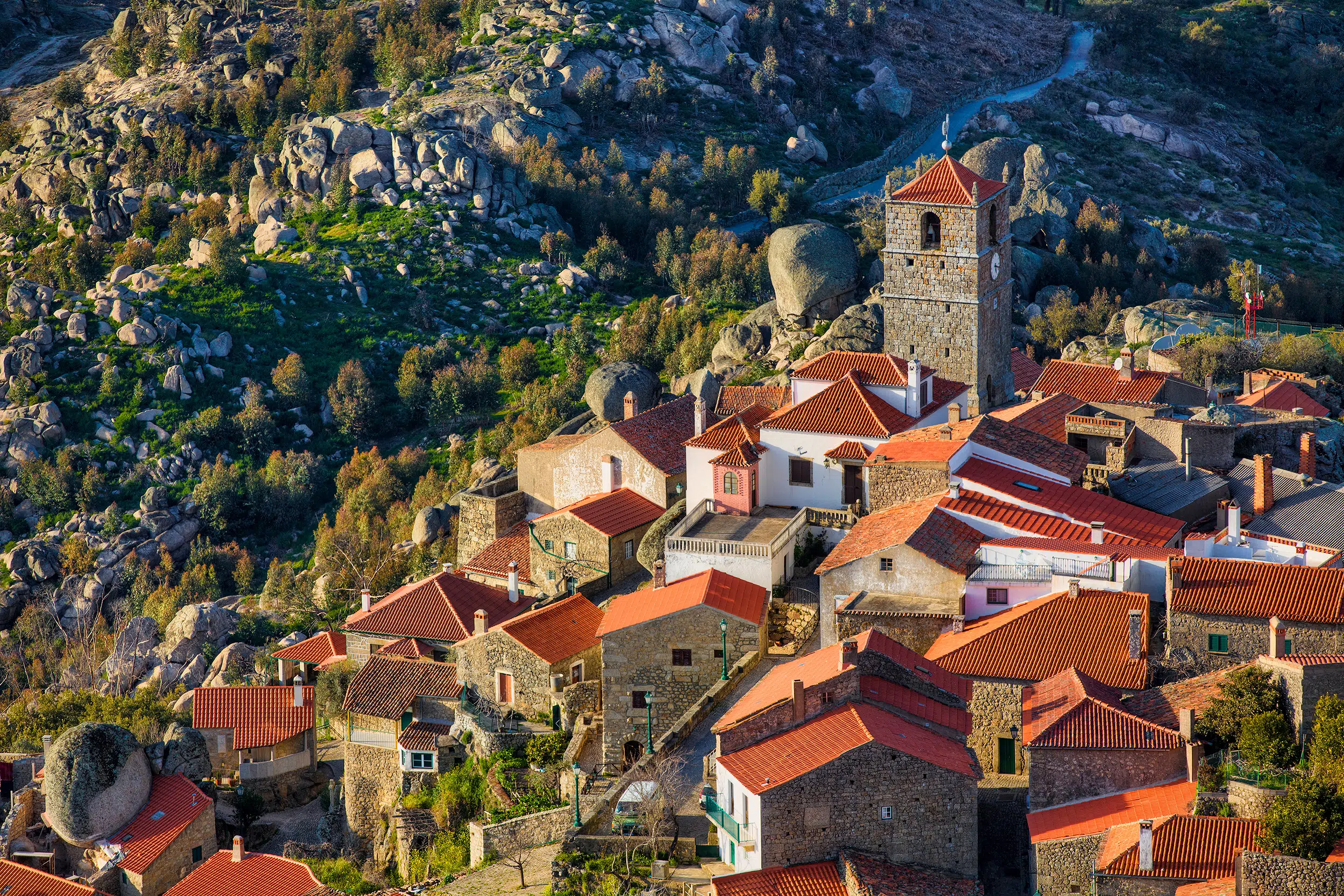
Tourism grows with a focus on sustainable development
Tourism in Portugal continues to assert itself as one of the most significant engines of the national economy, combining vitality, a diverse offer and international appeal. According to Travel BI by Turismo de Portugal, the most recent figures confirm this trend: in July 2025,
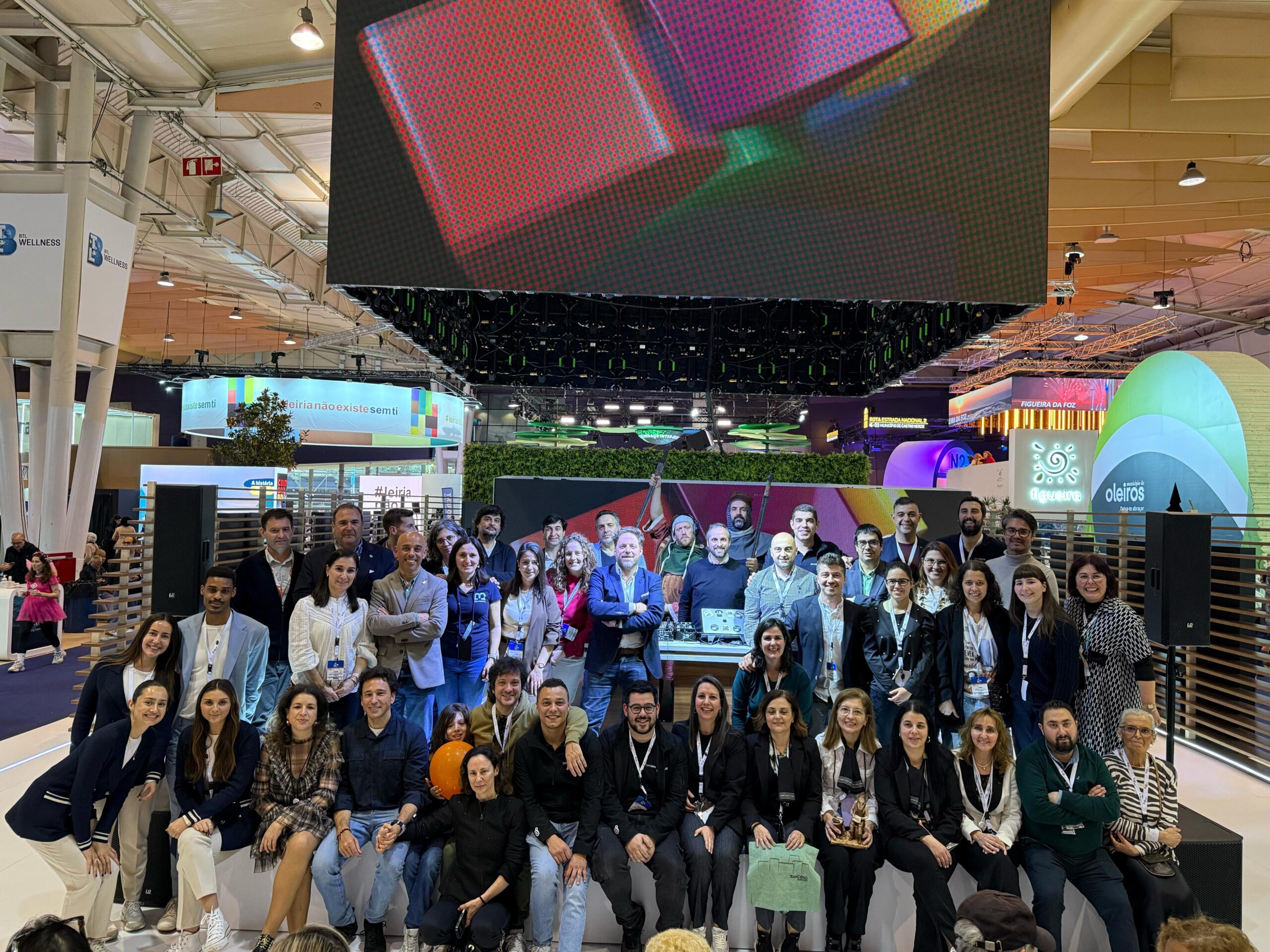
BTL’25 | Beiras e Serra da Estrela Region
Beiras e Serra da Estrela: Councils of Passion The Inter-municipal Community of the Beiras e Serra da Estrela Region (CIMRBSE) took part in the Lisbon Tourism Exchange (BTL’25), held at FIL in Lisbon from 12 to 16 March. This event is an outstanding platform for promoting the region as