
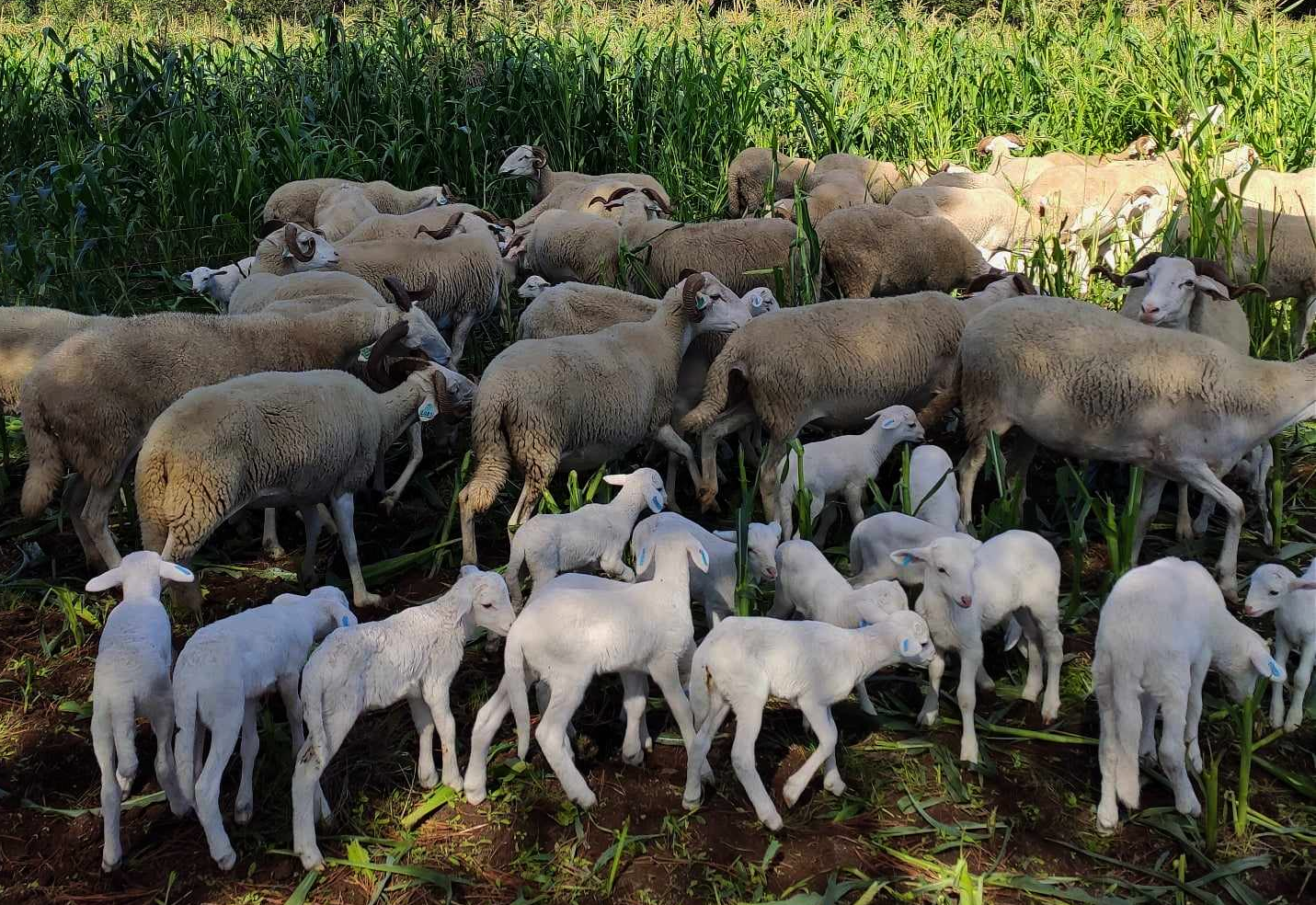
Adding Value to and Promoting Endogenous Products
Endogenous products stand out for their singularity, presenting distinct characteristics according to where they are produced, which gives them a unique identity and recognition with added value. Originating from resources that are practically inimitable in a given territory, endogenous products are a crucial factor of differentiation and competitiveness, especially in sparsely populated areas.
As is widely recognised, various territories have gained renown and momentum through their endogenous products: the cavacas of Resende, roast lamb with oven-baked rice, Beira Baixa PDO, Rabaçal PDO and Serra da Estrela PDO cheeses, the PGI smoked meats of Montalegre, the Trás-os-Montes almond currently going through certification, DOC wines and PGI wines — just a few of many examples nationwide.
These products exemplify diversity and distinction, since each region has unique natural resources and characteristics, driving the innovation and development of these products.
Given that Portugal is rich in endogenous products, in both quantity and quality, it becomes imperative to define and implement a strategy that promotes their communication, qualification and subsequent marketing. That strategy should drive the economy by optimising resources, contributing to the recognition and valuing of the territory, since endogenous products are fundamental elements of cultural identity. Promoting these products not only drives economic growth and job creation but also helps reduce regional disparities.
There are various initiatives to promote and publicise endogenous products, many of them led by local operators and organisations. These include themed fairs and markets, which stimulate the local economy and promote local consumption, as well as workshops that emphasise the quality of traditional products and the economic impact generated. These proximity marketing strategies are a crucial strand of territorial promotion.
As for product qualification, this is achieved through the Protected Geographical Indication (PGI) and Protected Designation of Origin (PDO) processes. These valorisation strategies seek recognition for products on the basis of natural factors, such as soil and climate characteristics, and of the human approach — the much-praised know-how — which uses distinctive, traditional techniques to guarantee product quality.
Ruris has been working on developing various approaches to drive the promotion of endogenous products, aiming to contribute to the growth and advancement of the economic sector at local level, especially in challenging areas such as sparsely populated territories. Within these strategies, the emphasis always falls on adding value to endogenous products, on upgrading production chains and on recognising territories as tourism destinations.
The European AGRIP programme is now open, to develop and/or support campaigns and events promoting EU agricultural products, aiming to raise awareness of European farmers' efforts to produce quality goods. You can find more information here.
Keep exploring

The future of young people in tourism
The tourism sector is in a period of transformation marked by the emergence of new trends and by changing visitor preferences. Digitisation, growing concern with sustainability, the importance of wellbeing and the search for authentic and unique experiences

Ruris invests in the Digital Transition with PRR support
Rurisocietate, Unipessoal, Lda. (Ruris) has taken another step on its modernisation path: it has submitted an application to Call no. 22/C16-i02.02/2025 — Support for Business Models for the Digital Transition (“Coaching 4.0”), part of Component 16 — Businesses 4.0 of the Recovery and Resilience Plan
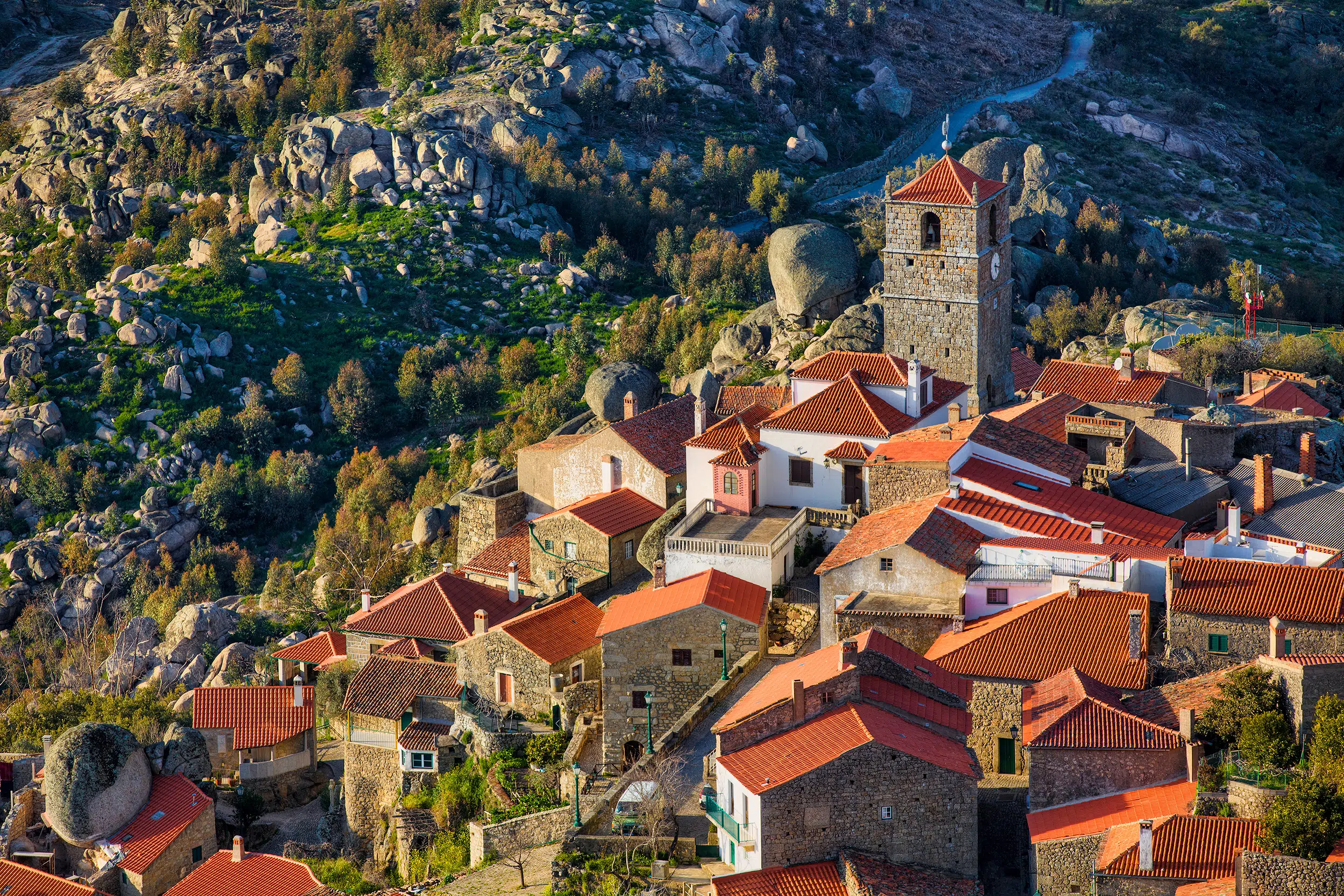
Tourism grows with a focus on sustainable development
Tourism in Portugal continues to assert itself as one of the most significant engines of the national economy, combining vitality, a diverse offer and international appeal. According to Travel BI by Turismo de Portugal, the most recent figures confirm this trend: in July 2025,