

The importance of Collaborative Networks in tourism
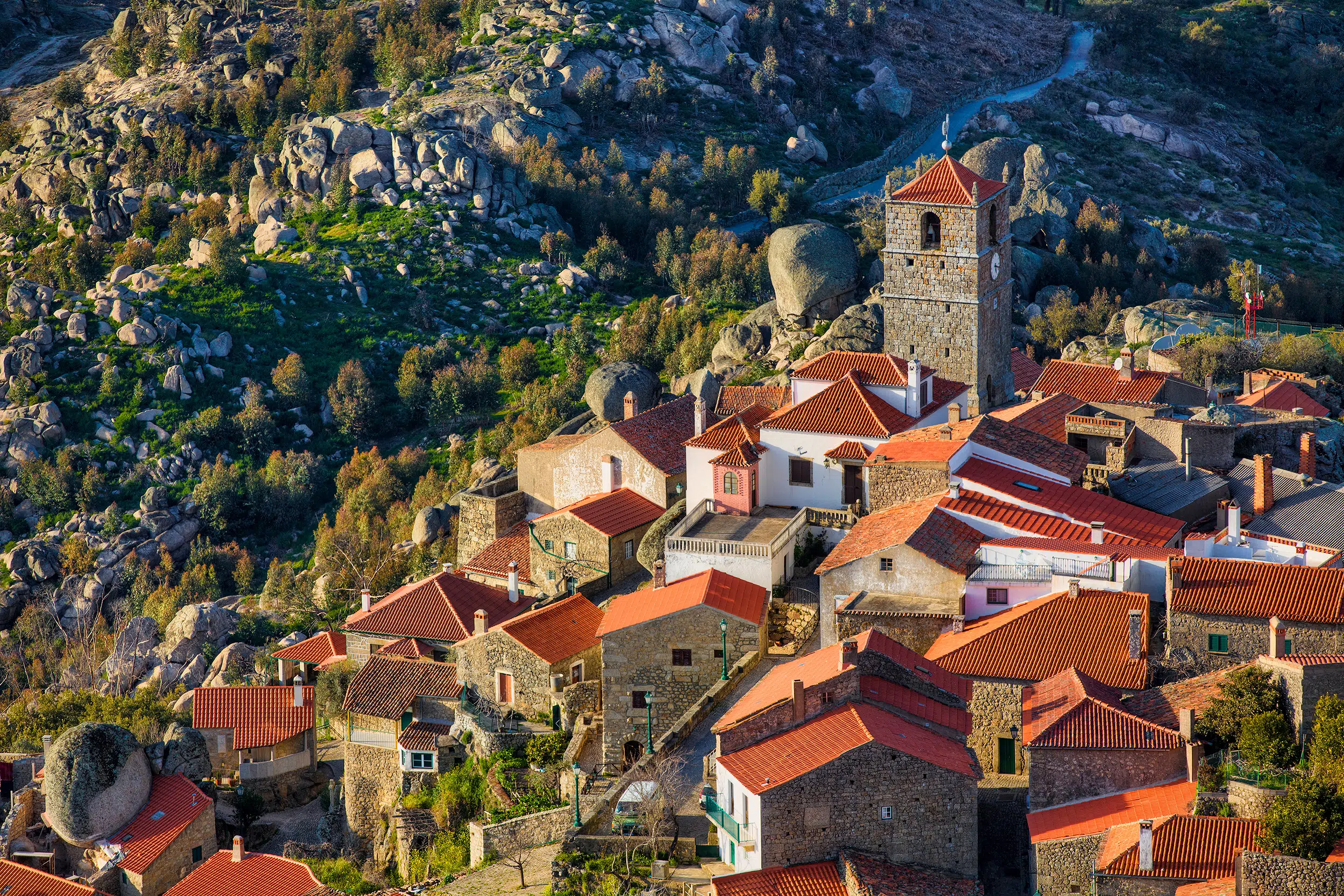
In recent years, the importance of collaborative networks in Portugal's tourism landscape has grown exponentially, especially in inland territories, often characterised by a scarcity of resources fundamental to development. In these regions, effective organisation, the capacity building of local bodies and the definition of integrated strategies have been decisive in structuring and marketing tourism products.
From the north to the south of the country, over recent decades, a set of collaborative networks has emerged and consolidated, bringing together various tourism operators, including public bodies, working together to structure tourism products and promote the territories. These networks have played a crucial role in the sustainable valorisation of natural, historical and cultural heritage, as well as in creating new, authentic tourism experiences that reflect local identity.
Through some twenty collaborative networks, there has been growing attention from the public and from tour operators towards emerging destinations in sparsely populated areas. With diverse origins, involving different types of protagonists and adopting distinct management models, these networks have managed to revitalise previously underused resources, combining them in an integrated way to create enriching tourism experiences.
Some collaborative networks, such as the Schist Villages and the Historic Villages of Portugal, have long been recognised for their distinctive tourism products. Others, such as Rota Vicentina and the Rota da Terra Fria Transmontana, have come to prominence more recently with innovative propositions. And there are still those in the process of consolidation, such as Lugares da Serra Alentejana and Aldeias de Montanha, alongside the Romanesque Route and the Magic Mountains.
Within the Tourism Strategy 2027 (ET2027), one of the main priorities is creating networks and connectivity in the sector. This strategy aims to mobilise networked working and promote collaboration between different sectors, including support for collaborative network initiatives that help assert national tourism assets and strengthen the competitiveness of Portugal as a destination in the international market. To that end, Turismo de Portugal has played a fundamental role in supporting and promoting these collaborative networks.
The approach to collaborative networks aims to promote, nationally and internationally, the projects implemented in low-density territories, to stimulate dialogue and the exchange of experience between the various networks, and to make tour operators aware of the opportunities offered by these less-explored destinations. In this way, through this collaboration, public and private bodies are expected to contribute to the sustainable development of tourism in Portugal and to adding value to its territories that are less well known nationally and internationally.
Keep exploring

The future of young people in tourism
The tourism sector is in a period of transformation marked by the emergence of new trends and by changing visitor preferences. Digitisation, growing concern with sustainability, the importance of wellbeing and the search for authentic and unique experiences

Ruris invests in the Digital Transition with PRR support
Rurisocietate, Unipessoal, Lda. (Ruris) has taken another step on its modernisation path: it has submitted an application to Call no. 22/C16-i02.02/2025 — Support for Business Models for the Digital Transition (“Coaching 4.0”), part of Component 16 — Businesses 4.0 of the Recovery and Resilience Plan
Tourism grows with a focus on sustainable development
Tourism in Portugal continues to assert itself as one of the most significant engines of the national economy, combining vitality, a diverse offer and international appeal. According to Travel BI by Turismo de Portugal, the most recent figures confirm this trend: in July 2025,