
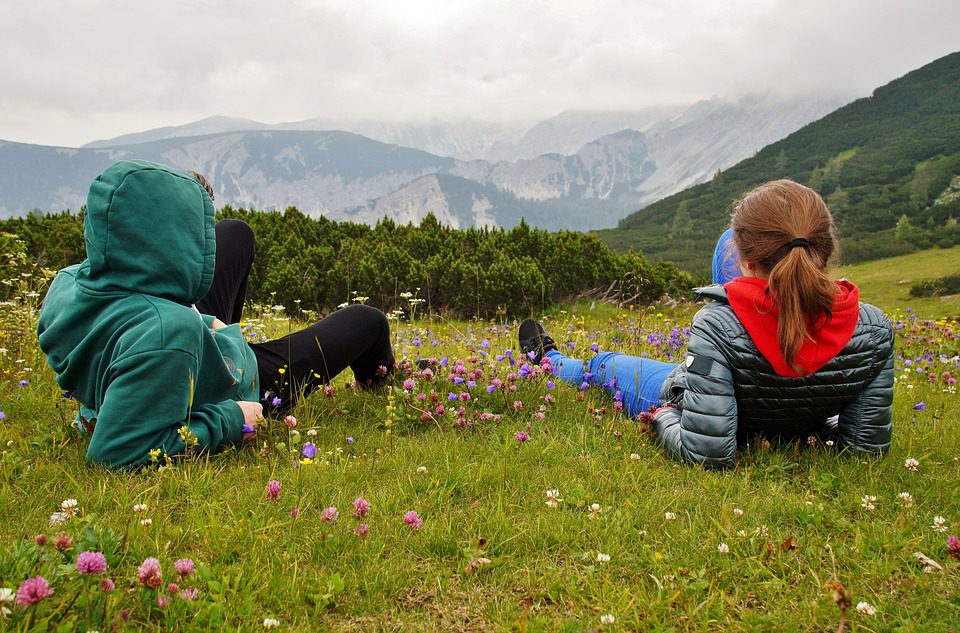
The vital impact of Peace on the world of Tourism
Peace is an essential element for the development of tourism in any region of the world. In a global context, where interdependence between countries is growing, political and social stability not only protects people's lives but is also a decisive factor for economic growth and the appeal of tourism destinations.
Studies show that countries at peace tend to have significantly greater tourism flows. According to the Global Peace Index 2023 report, some of the most peaceful countries, such as Iceland, New Zealand and Portugal, recorded a continuous increase in the number of international visitors. Peace not only favours tourists' safety but also creates an environment conducive to investment in tourism infrastructure. Peaceful destinations are more likely to attract investors wanting to develop hotels, restaurants and tourist attractions. By contrast, in regions marked by conflict or instability, tourism often suffers an abrupt fall. According to the World Tourism Organization (UNWTO), instability can reduce visitor numbers by up to 30% compared with periods of peace.
Peace also has a direct impact on the tourist's experience. Travel to countries in conflict generally involves insecurity and uncertainty, which deters visitors. For example, nations affected by civil war, such as Syria and Yemen, have seen their tourism sectors all but disappear, resulting in significant economic losses and in the degradation or destruction of their infrastructure.
Promoting peace is equally linked to the sustainability of tourism. Destinations that encourage harmonious coexistence and cultural respect are able to attract visitors looking for genuine, meaningful experiences. This kind of tourism has been gaining relevance, with many travellers choosing to support communities that promote peace and inclusion.
The importance of peace is further evidenced in community tourism initiatives, where local communities become involved in promoting their cultural and natural heritage. These initiatives not only strengthen the local economy but also foster social cohesion and stability.
Finally, peace and political stability are crucial to international collaboration in promoting tourism. Cross-border projects and joint initiatives between neighbouring countries, such as those involving cultural or environmental itineraries, depend on peaceful relations. Cooperation between nations not only diversifies tourism offerings but also strengthens cultural and economic ties.
In short, peace is a determining factor for the growth and sustainability of tourism. Regions that invest in stability, security and the promotion of peace reap the rewards in the form of thriving tourism, capable of generating employment, supporting local communities and driving economies. In an increasingly interconnected world, promoting peace should be a priority not only for governments but also for citizens and the private sector.
From 3 to 5 June, Torres Vedras hosted the debate “Peace as a tourism destination”, organised by Turismo Centro de Portugal. The event brought together specialists and tourism enthusiasts to discuss how peace can be a tourism draw and drive sustainable development in the country.
Keep exploring

The future of young people in tourism
The tourism sector is in a period of transformation marked by the emergence of new trends and by changing visitor preferences. Digitisation, growing concern with sustainability, the importance of wellbeing and the search for authentic and unique experiences

Ruris invests in the Digital Transition with PRR support
Rurisocietate, Unipessoal, Lda. (Ruris) has taken another step on its modernisation path: it has submitted an application to Call no. 22/C16-i02.02/2025 — Support for Business Models for the Digital Transition (“Coaching 4.0”), part of Component 16 — Businesses 4.0 of the Recovery and Resilience Plan
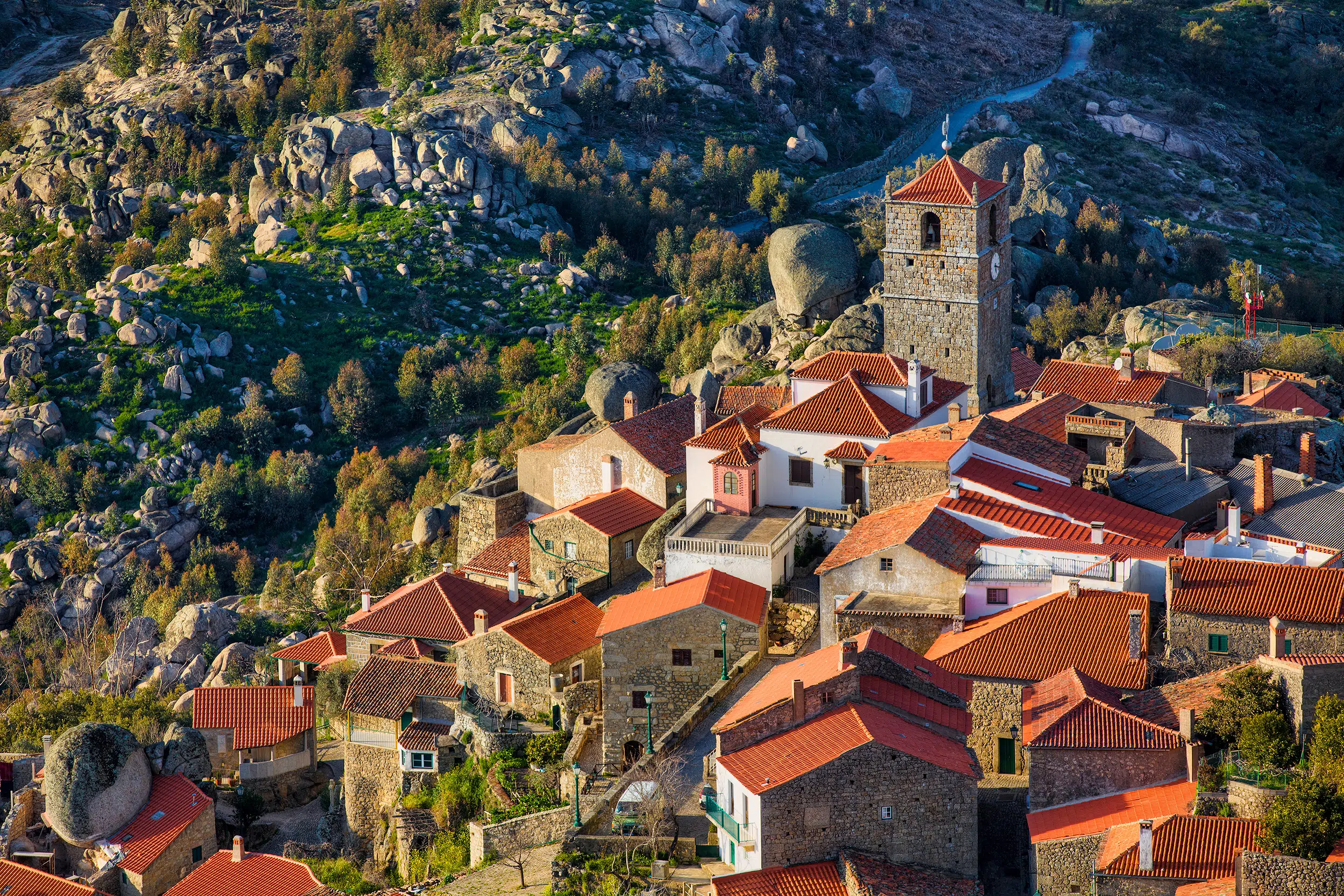
Tourism grows with a focus on sustainable development
Tourism in Portugal continues to assert itself as one of the most significant engines of the national economy, combining vitality, a diverse offer and international appeal. According to Travel BI by Turismo de Portugal, the most recent figures confirm this trend: in July 2025,