
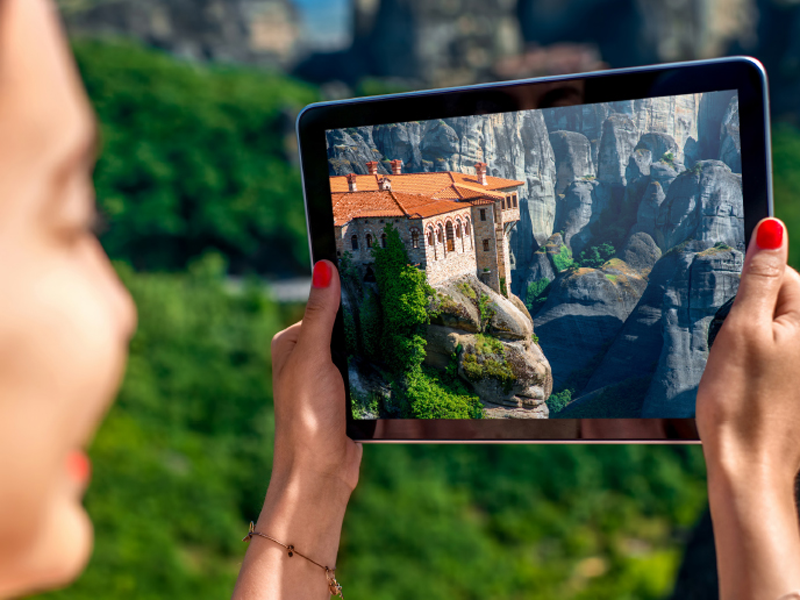
Digitisation and the valorisation of cultural heritage
The digitisation of cultural heritage is an essential factor in its preservation and valorisation, especially in the current context of digital transformation. Cultural heritage, with its diversity and historical richness, is one of the pillars of the identity of a place, region or nation. However, preserving and promoting that legacy faces new challenges in an era shaped by technology. Digitisation emerges as a strategic solution, enabling not only the conservation of cultural assets but also broader, more inclusive access to them. Support schemes such as “Rotas do Norte”, which promotes the preservation of the cultural and natural heritage of northern Portugal, illustrate the positive impact of digitisation.
With technological advances, museums, archives, monuments and historic sites are migrating to the digital environment, creating virtual repositories that offer a new way of engaging with heritage. This transformation provides interactive experiences accessible to anyone, regardless of geographical location, allowing visitors to explore collections and places of cultural interest without the usual physical limitations. Digitisation also protects heritage from possible physical damage or from the natural wear of time. By widening the target audience, this process reaches not only local visitors but also a vast international public, offering the chance to engage with Portuguese heritage to people who would otherwise have no access to it.
Within “Rotas do Norte”, digitisation makes it possible to create interactive cultural experiences that connect elements of tangible and intangible heritage, such as monuments, traditions, festivities and regional gastronomy. Beyond protecting heritage, this process contributes to invigorating local economies by attracting new visitors and promoting the culture of northern Portugal globally. Local communities also benefit directly from this digital valorisation, since heritage becomes accessible to all and reinforces a sense of belonging and identity.
The digitisation of cultural heritage is not only a preservation tool but also a tourism driver. Cultural tourism is a sustainable way of promoting respect for and engagement with local culture. Creating digital cultural routes makes it easier to publicise the region's tourism offer, giving visitors detailed information and personalised experiences of each place. This digitisation acts as an invitation to visit in person, sparking the interest of national and international tourists, who can explore the region's cultural heritage in a more informed and interactive way.
Digitisation also plays a fundamental role in preserving heritage for future generations. Creating digital archives is an effective way of protecting documents, artefacts and even intangible heritage, ensuring that, even in the event of natural disasters or physical degradation of the objects, the information and the cultural experience remain accessible. By reducing the physical handling of works of art and valuable objects, digitisation also lowers the risk of damage and preserves the integrity of cultural assets. Digital preservation ensures that future generations can enjoy and learn from heritage, even if the physical elements deteriorate over time.
The future of cultural heritage undoubtedly lies in continuing this process of digitisation, which will allow not only the preservation of the region's cultural legacy but also the amplification of its relevance and accessibility. As technology continues to evolve, the opportunities to digitise heritage multiply, and “Rotas do Norte” is at the forefront of that transformation. Digitisation should not be seen as a substitute for the physical experience, but rather as a tool that complements and enriches it, ensuring that cultural heritage – in this case that of northern Portugal – remains alive and vibrant, accessible to all, regardless of geographical or temporal barriers.
In this way, digitisation, embedded in the “Rotas do Norte” strategy, ensures the preservation, promotion and valorisation of the region's cultural, historical and natural heritage, guaranteeing its relevance and protection for present and future generations.
Find out about the available support here.
Keep exploring
The future of young people in tourism
The tourism sector is in a period of transformation marked by the emergence of new trends and by changing visitor preferences. Digitisation, growing concern with sustainability, the importance of wellbeing and the search for authentic and unique experiences

Ruris invests in the Digital Transition with PRR support
Rurisocietate, Unipessoal, Lda. (Ruris) has taken another step on its modernisation path: it has submitted an application to Call no. 22/C16-i02.02/2025 — Support for Business Models for the Digital Transition (“Coaching 4.0”), part of Component 16 — Businesses 4.0 of the Recovery and Resilience Plan
Tourism grows with a focus on sustainable development
Tourism in Portugal continues to assert itself as one of the most significant engines of the national economy, combining vitality, a diverse offer and international appeal. According to Travel BI by Turismo de Portugal, the most recent figures confirm this trend: in July 2025,